
Call: 08071932050
 Send Inquiry
 Send Inquiry
Sodium Silicate Powder
MOQ : 1 Kilograms
Sodium Silicate Powder Specification
- Application
- Detergents, adhesives, water treatment, cement, ceramics, paper, textiles
- Melting Point
- 1088C
- Usage
- Used as a binding agent, deflocculant, corrosion inhibitor, and in fireproofing
- Molecular Weight
- 122.06 g/mol
- Purity
- 99%
- Ph Level
- Highly alkaline (pH 11-13, 1% solution)
- CAS No
- 1344-09-8
- Appearance
- White or off-white powder
- Molecular Formula
- Na2SiO3
- Storage
- Store in a cool, dry place in tightly closed containers
- Solubility
- Soluble in water
- HS Code
- 28391900
- Poisonous
- Non-poisonous, but caustic
- Density
- 2.4 Gram per cubic centimeter(g/cm3)
- Physical Form
- Powder
- Ingredients
- Sodium oxide and silicon dioxide
- Product Type
- Inorganic Compound
- Refractive Rate
- 1.520 (for aqueous solution)
- Grade
- Industrial
- Structural Formula
- Na2OnSiO2
- EINECS No
- 215-687-4
- Shape
- Granular or fine powder
- Smell
- Odorless
- Properties
- Alkaline, soluble in water, hygroscopic, adhesive, binder and deflocculant properties
- Taste
- Alkaline
- Shelf Life
- 24 months
- Manufacturing Method
- Fusion of sodium carbonate and silica sand
- Color
- White to off-white
- Na2O : SiO2 Ratio
- Varies from 1:2 to 1:3.5 depending on application
- Bulk Density
- 0.6 - 1.0 g/cm
- Compatibility
- Compatible with most inorganic and some organic compounds
- Environmental Impact
- Low; biodegradable
- Toxicity
- Non-toxic but can cause irritation
- pH (1% solution)
- 11.5 - 13.0
- Packing Type
- Bags, HDPE drums, jumbo bags
- Particle Size
- < 150 microns
- Iron content
- <0.05%
- Main Hazard
- Irritant to skin and eyes
- Moisture Content
- 2.0%
- Free Alkali
- <0.5%
Sodium Silicate Powder Trade Information
- Minimum Order Quantity
- 1 Kilograms
- Supply Ability
- 15000 Kilograms Per Month
- Delivery Time
- 02 Days
About Sodium Silicate Powder
we are the manufacturer of sodium silicate, Sodium Silicate is a compound mixture of sodium oxide i.e. Na2O with silica sand i.e. SiO2 with water. Sodium silicate is also called water glass. There are two process to manufacture liquid Sodium Silicate.
Other Details:
- Formula: Na2SiO3
- IUPAC ID: Sodium metasilicate
- LD50 (median dose): 1153 (rat, oral)
- Gibbs free energy (fG): 1427 kJ/mol
- Abbreviations: E550
- Other cations: Potassium silicate
Versatile Industrial Applications
Sodium Silicate Powder serves numerous industries due to its adhesive, binding, and corrosion-inhibiting properties. It plays a vital role in detergent formulation, water treatment processes, cement manufacturing, ceramics production, and as a deflocculant in paper and textile industries. Its high solubility, alkaline profile, and adjustable Na2O : SiO2 ratio ensure compatibility and efficacy across a multitude of uses.
Safety and Environmental Features
While sodium silicate powder is non-toxic, it is an irritant to the skin and eyes due to its caustic and highly alkaline nature. Users should follow standard safety protocols, such as wearing gloves and eye protection during handling. Its low iron content and biodegradable properties contribute to minimal environmental impact, making it a sustainable choice for industrial applications.
Quality Assurance and Storage Recommendations
Produced via the fusion of sodium carbonate and silica sand, sodium silicate powder is supplied in tightly sealed bags, HDPE drums, or jumbo bags to maintain its low moisture content (2.0%) and purity. Proper storage in cool, dry places extends its shelf life to 24 months, ensuring reliable batch performance and maintaining its optimal adhesive and binding capabilities.
FAQs of Sodium Silicate Powder:
Q: How is sodium silicate powder manufactured?
A: Sodium silicate powder is produced through the fusion process, which involves heating sodium carbonate and silica sand at high temperatures, resulting in a highly pure and homogenous powder with excellent alkaline properties.Q: What are the main uses of sodium silicate powder in industry?
A: Industrially, sodium silicate powder is utilized in detergents, adhesives, water treatment, cement, ceramics, paper, and textiles. It functions as a binder, deflocculant, corrosion inhibitor, and fireproofing agent due to its adhesive and alkaline attributes.Q: When should I use sodium silicate powder as a deflocculant?
A: Sodium silicate powder is ideal as a deflocculant when improving dispersion and reducing viscosity in ceramic slurries, industrial wastewater treatment, and paper pulp processing, optimizing flow and workability.Q: Where can sodium silicate powder be safely stored to maintain its quality?
A: Sodium silicate powder should be stored in a cool, dry place in tightly closed containers such as bags, HDPE drums, or jumbo bags to prevent moisture absorption and maintain a shelf life of up to 24 months.Q: What safety measures are recommended when handling sodium silicate powder?
A: Since sodium silicate powder is an irritant, users should wear gloves, protective eyewear, and avoid direct skin and eye contact. Adequate ventilation and following industrial safety guidelines are essential during use.Q: What are the benefits of using sodium silicate powder in water treatment and cement production?
A: In water treatment, sodium silicate powder acts as a corrosion inhibitor and water softener, while in cement production, it enhances setting properties, bonding strength, and provides stability by regulating the silicate ratio.Q: Is sodium silicate powder environmentally friendly and chemically compatible?
A: Yes, sodium silicate powder is biodegradable, exhibits low environmental impact, and is compatible with most inorganic as well as selected organic compounds, supporting a broad spectrum of industrial applications.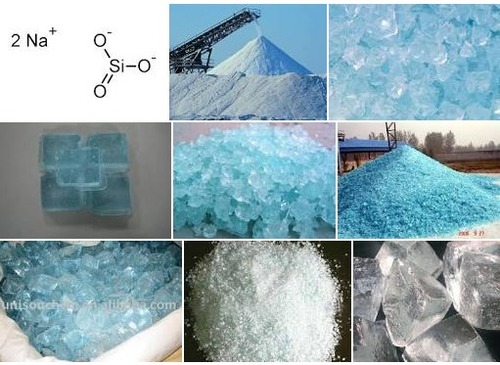
Tell us about your requirement

Price:
Quantity
Select Unit
- 50
- 100
- 200
- 250
- 500
- 1000+
Additional detail
Mobile number
Email

More Products in Sodium Silicate Glass Category
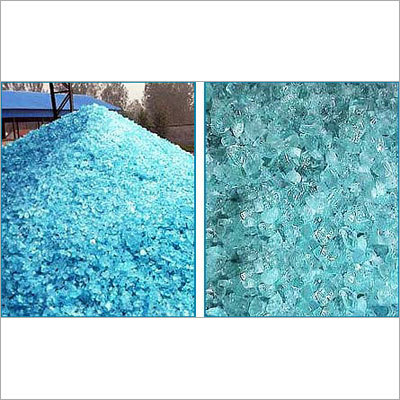
Sodium Silicate Glass
Price Range 8.00 - 15.00 INR / Kilograms
Minimum Order Quantity : 1 Kilograms
Purity : 98%
Grade : Industrial Grade
Molecular Weight : 122.06 g/mol
Ph Level : 11.5 (aqueous solution)

Contact Details
GST : 06AANCS5919E1Z5
- R.I.D.A., Khasra No. 68, Jasor-Kheri Road, Rohad Bypass, Village Rohad,Bahadurgarh - 124507, Haryana, India
- Phone :08071932050
 Send Inquiry
- Registered Address:
Flat No 302 Sangam Appartment, West Enclave, Pritampura, New Delhi 110034
|


Developed and Managed by Infocom Network Private Limited.
